
Why Is the Trend for Analogue Photography Increasing in India?
In an age where smartphones and AI-powered cameras can capture thousands of photos in a single day, it might seem surprising that film photography is making a remarkable comeback in India. Yet, from college students and travel enthusiasts to professional photographers and creative artists, more people are picking up vintage film cameras and embracing analog photography.
What was once considered outdated has now become one of the most exciting creative movements in photography. Across cities like Mumbai, Delhi, Bengaluru, Hyderabad, Kolkata, and even smaller towns, film photography communities are growing, camera repair shops are reopening, and photography walks centered around analog cameras are becoming increasingly popular.
But what exactly is driving this revival?
Let’s explore why film photography is experiencing a renaissance in India and why it continues to attract a new generation of photographers.
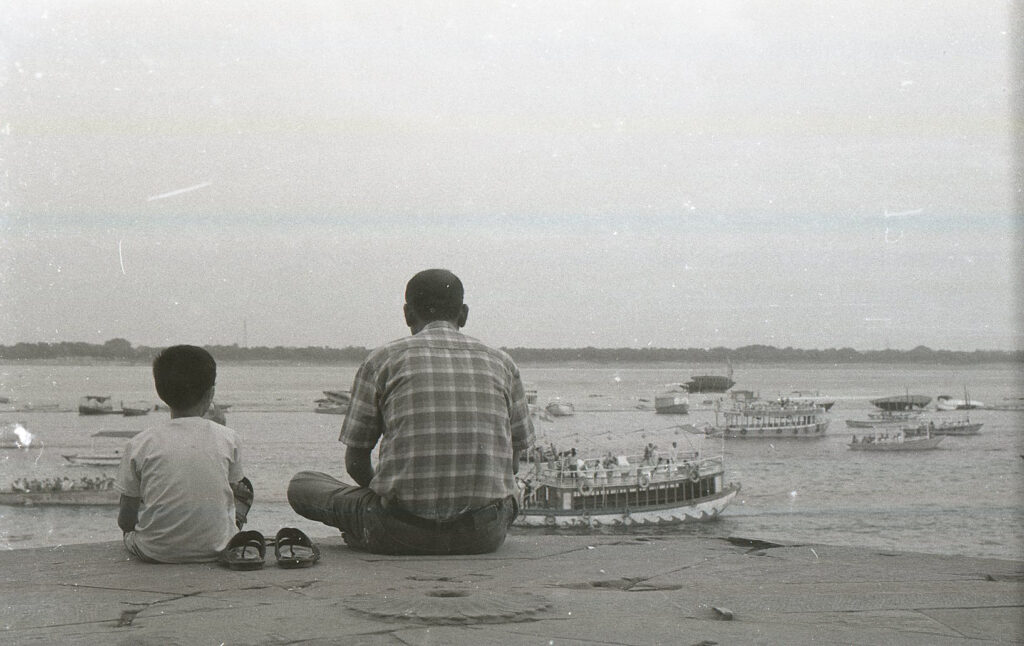
What Is Analogue Photography?
Film photography is the process of capturing images on photographic film instead of using a digital sensor. Once the film is exposed, it must be developed using chemicals before the photographs can be viewed or printed.
Unlike digital photography, where you can instantly preview and delete images, every frame on a roll of film matters. Most rolls offer only 24 or 36 exposures, making photographers think carefully before pressing the shutter.
This slower, more intentional approach is one of the biggest reasons people are rediscovering film photography.
1. People Are Looking for a More Authentic Photography Experience
Today’s digital world is filled with filters, presets, AI enhancements, and endless editing options. While these tools are powerful, many photographers feel that digital images often lose their originality.
Film photography offers something different.
Each photograph carries natural imperfections:
-
- Organic grain
-
- Soft highlights
-
- Rich shadows
-
- Natural skin tones
- Unique color shifts
These characteristics create photographs that feel genuine rather than overly processed.
For many photographers, this authenticity is refreshing.
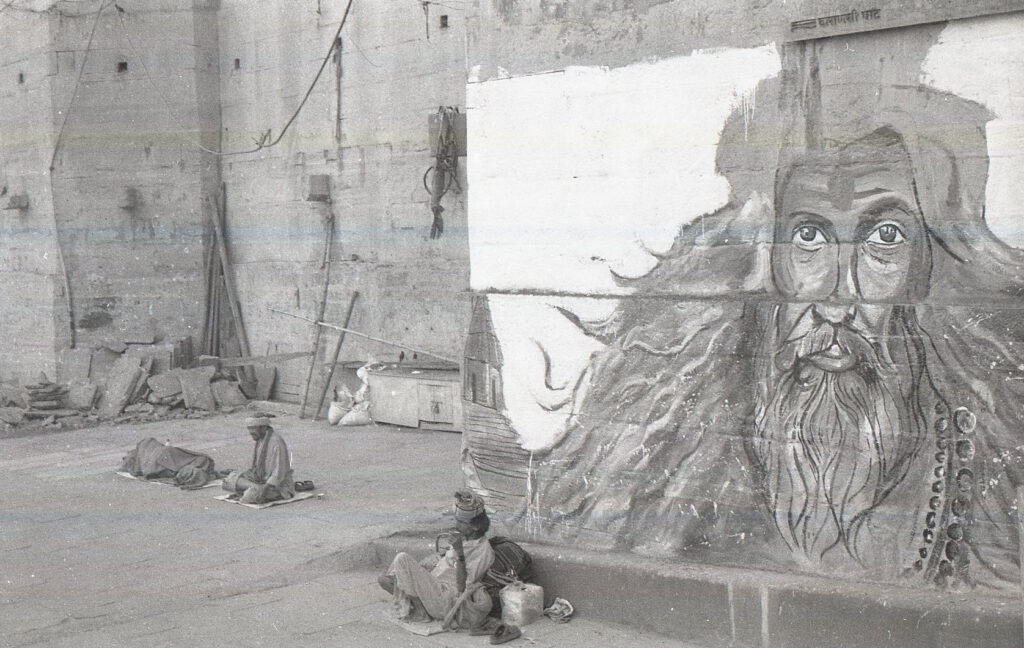
2. Social Media Has Made Analog Photography Trendy Again
Platforms like Instagram, Pinterest, and YouTube have played a huge role in bringing film photography back into the spotlight.
Creators regularly share:
-
- Behind-the-scenes film shoots
-
- Vintage camera collections
-
- Film developing videos
-
- Street photography
-
- Travel journals
-
- Portrait sessions on Kodak and Fujifilm stocks
The nostalgic aesthetic of film stands out in a feed dominated by ultra-sharp smartphone images.
Instead of looking perfect, film photographs look emotional—and that’s exactly what audiences love.
3. Film Makes Every Shot More Meaningful
Digital photography encourages taking hundreds of photos to get one perfect image.
Film changes that mindset.
With only 24 or 36 exposures available, photographers naturally slow down and think before capturing each frame.
They consider:
-
- Composition
-
- Lighting
-
- Subject
-
- Timing
-
- Exposure
This discipline often improves photography skills much faster than relying on burst mode.
Many photography educators even recommend learning film photography first because it teaches patience and technical understanding.
4. The Vintage Look Cannot Be Fully Recreated Digitally
Although many editing apps promise “film presets,” experienced photographers know they are not identical to actual film.
Real film produces subtle characteristics that are difficult to replicate:
-
- Natural grain
-
- Color depth
-
- Highlight roll-off
-
- Dynamic tonal transitions
-
- Unique texture
Each film stock has its own personality.
For example:
-
- Kodak Gold creates warm nostalgic tones.
-
- Kodak Portra delivers beautiful skin colors.
-
- Ilford HP5 offers classic black-and-white contrast.
-
- Fujifilm stocks often produce vibrant greens and blues.
These natural variations give every roll its own story.
5. India’s Creative Community Is Embracing Analog Photography
India’s photography community has grown tremendously over the past decade.
Today you’ll find:
-
- Film photography workshops
-
- Analog photography clubs
-
- Camera swap meets
-
- Vintage camera exhibitions
-
- Photowalks dedicated to film shooters
Young photographers are increasingly interested in learning traditional photographic techniques rather than relying solely on smartphone cameras.
Many photography schools have also started introducing analog photography sessions to help students understand exposure fundamentals.
6. Film Photography Creates a Sense of Nostalgia
For many Indians, film photography brings back memories of family albums, vacations, weddings, and childhood moments.
Before digital cameras became common, almost every family owned a film camera.
Old photo albums still carry:
-
- Wedding memories
-
- School events
-
- Family celebrations
-
- Festivals
-
- Travel experiences
Today’s younger generation is rediscovering that nostalgic charm.
Using the same cameras their parents or grandparents once used creates a meaningful connection across generations.
7. The Excitement of Waiting Makes Every Photo Special
One of the biggest differences between digital and film photography is delayed gratification.
After finishing a roll, photographers must:
-
- Send it for development
-
- Wait several days
-
- Receive negatives
-
- Scan or print photographs
Unlike instant previews on smartphones, the results remain a surprise until the film is developed.
That anticipation makes every photograph feel more rewarding.
Many photographers describe opening a freshly developed roll as similar to opening a gift.
8. Vintage Cameras Are Becoming Collectibles
Mechanical film cameras have become highly desirable among collectors and photography enthusiasts.
Popular models include:
-
- Canon AE-1
-
- Nikon F3
-
- Pentax Spotmatic spii
-
- Olympus OM-1
-
- Minolta X-700
-
- Yashica Electro 35
Unlike many digital cameras that become outdated within a few years, well-maintained film cameras can last for decades.
Their timeless design and mechanical craftsmanship make them both functional tools and collector’s items.
9. Film Encourages Creativity Without Distractions
Modern photography often involves:
-
- Continuous notifications
-
- Editing apps
-
- AI enhancements
-
- Instant sharing
-
- Multiple retakes
Film photography removes many of these distractions.
Instead, photographers focus on:
-
- Seeing light
-
- Observing people
-
- Framing stories
-
- Understanding exposure
This mindful process helps photographers connect more deeply with their surroundings.
10. Film Photography Supports Slow Living
The concept of “slow living” has gained popularity across India, encouraging people to enjoy experiences rather than rush through them.
Film photography fits naturally into this lifestyle.
From loading the film and adjusting manual settings to developing negatives and creating prints, every step requires patience and attention.
The process becomes just as enjoyable as the final photograph.
For many enthusiasts, film photography is not just a hobby—it is a creative ritual.
Challenges of Film Photography in India
Despite its growing popularity, film photography still faces a few challenges.
Some common obstacles include:
-
- Limited availability of film rolls
-
- Rising prices of imported film stocks
-
- Fewer film processing laboratories
-
- Difficulty finding camera repair specialists
-
- Longer turnaround times for development
However, increasing demand has encouraged more photography labs, online stores, and camera enthusiasts to support the analog community.
Is Film Photography Worth Learning Today?
Absolutely.
Whether you’re a beginner or an experienced photographer, learning film photography can strengthen your understanding of:
-
- Manual exposure
-
- Composition
-
- Light
-
- Patience
-
- Storytelling
-
- Creative decision-making
The skills developed through analog photography often translate into better digital photography as well.
Many professionals still shoot film alongside digital cameras because each medium offers a distinct artistic experience.
The Future of Film Photography in India
Film photography is no longer just a nostalgic hobby. It has become a creative movement driven by artists, students, travelers, and professionals who value intentional image-making over instant gratification.
As more workshops, photo communities, and film labs emerge across India, the analog ecosystem continues to grow. Combined with the influence of social media and a renewed appreciation for handcrafted creative processes, film photography is likely to remain an important part of India’s photographic culture.
Rather than replacing digital photography, film complements it by offering a slower, more thoughtful, and emotionally rich way to capture moments.
Final Thoughts
The rising popularity of film photography in India reflects a broader shift in how people value creativity. In a world where billions of digital images are created every day, film encourages photographers to pause, observe, and make each frame count.
Its timeless aesthetic, tactile process, and ability to evoke emotion have helped analog photography win over a new generation. Whether you’re documenting city streets, family moments, landscapes, or personal projects, film offers an experience that is as rewarding as the final image itself.
If you’ve never tried it before, this might be the perfect time to load your first roll of film and discover why analog photography continues to inspire photographers across India.